Choosing the correct motor size for roller blinds involves several factors, such as the weight of the blinds, the tube diameter, and the type of material. Here's a step-by-step guide to help you select the appropriate motor size:
Choosing the correct motor size for roller blinds involves several factors, such as the weight of the blinds, the tube diameter, and the type of material. Here's a step-by-step guide to help you select the appropriate motor size:
1. Determine the Weight of the Blinds
Heavier blinds require more powerful motors. To calculate the weight:
Multiply the width by the height of the blind to get the area in square meters (m²).
Then, multiply the area by the weight per square meter of the fabric (usually provided by the supplier).
Add the weight of the roller tube and bottom bar if necessary.
2. Tube Diameter
The diameter of the tube affects how much torque the motor needs. Standard sizes are 38mm, 50mm, or 63mm, but larger blinds may require a bigger diameter tube to avoid sagging.
38mm Tube: Suitable for small to medium blinds.
50mm Tube: Suitable for medium to large blinds.
63mm Tube: Suitable for large blinds.
3. Motor Torque Rating (Nm)
Torque is measured in Newton meters (Nm), and this rating tells you how much force the motor can generate to lift the blind.
For small blinds (1–2m wide), a motor with 3-6 Nm is usually sufficient.
For medium blinds (2–3m wide), consider motors with 6-10 Nm.
For large or heavy blinds (above 3m wide), you may need a motor with 12-20 Nm or more.
4. Speed of the Motor
Most motors come with speed ratings measured in revolutions per minute (RPM). Faster motors (28-30 RPM) will lift the blinds more quickly but may be noisier. Slower motors (12-15 RPM) will be quieter but take longer.
Wired motors: Typically more powerful and suitable for large blinds or commercial applications.
Battery-powered motors: More suited for residential applications where there is no power outlet near the window.
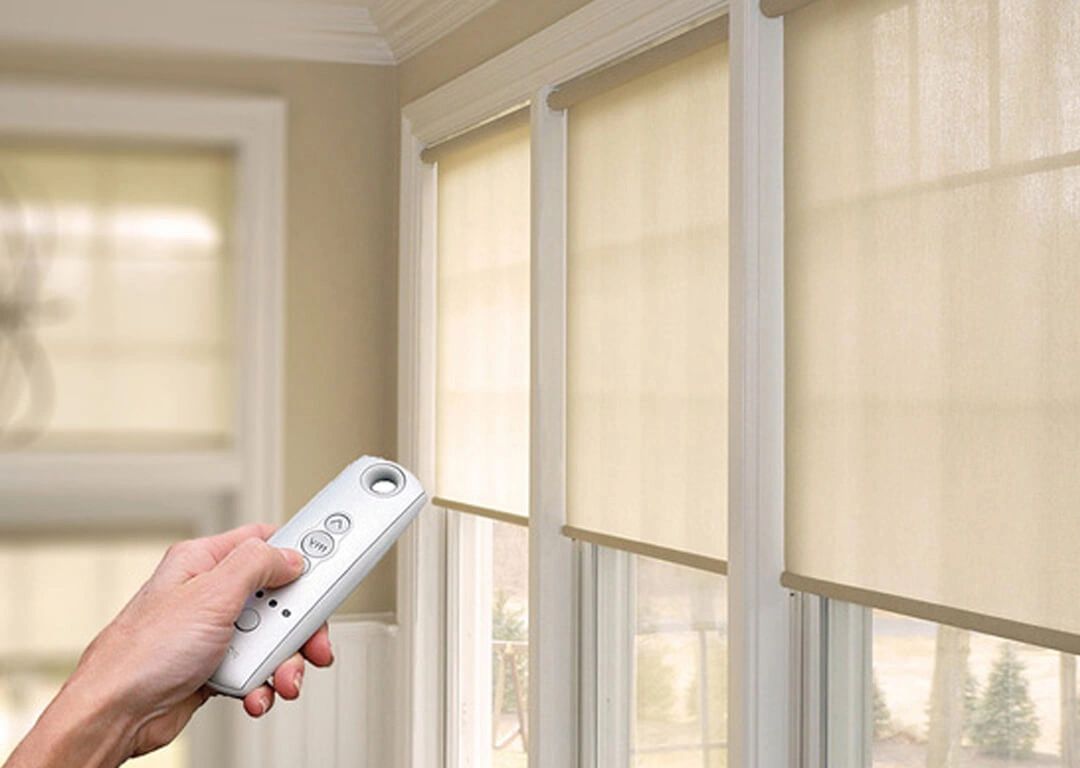
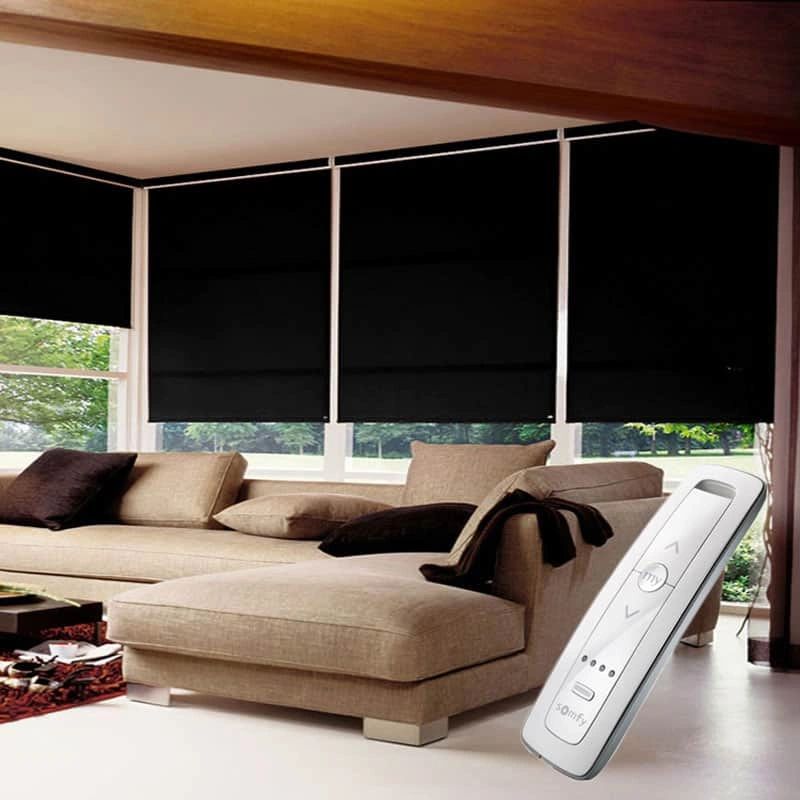
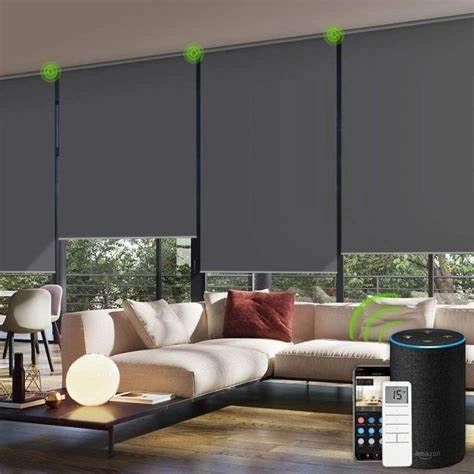
"Effortless Control at Your Fingertips: Adjust your roller blinds with ease using a sleek, convenient remote control for a seamless blend of style and functionality."
6. Control Type
Remote control: Common in both wired and battery-powered options.
Smart control: If you want to integrate with smart home systems, ensure the motor is compatible (e.g., with Alexa, Google Home, etc.).
For outdoor blinds or areas with high moisture (e.g., bathrooms), make sure the motor is designed for outdoor use or has an IP rating (e.g., IP44 for splash resistance).
Once you know the weight, tube size, and torque requirements, most motor suppliers will provide a chart or guide that allows you to match the motor to your roller blinds
Get link
Facebook
X
Pinterest
Email
Other Apps
Comments
Popular posts from this blog
Curtains vs. Blinds: Which is Better for Your Melbourne Home? Choosing the right window treatment can significantly impact the look, feel, and functionality of your space. Whether you're redecorating or moving into a new home, you may wonder which is the better option— curtains or blinds . In this blog, we’ll explore the pros and cons of each to help Melbourne homeowners make the perfect choice. 1. Aesthetic Appeal: Style vs. Simplicity Curtains : Curtains are ideal if you’re looking to add softness and elegance. They come in a variety of fabrics, colors, and patterns, offering a luxurious look. Floor-to-ceiling curtains can make a room feel larger and cozier. Best for : Bedrooms, formal living rooms, and spaces where you want to add visual warmth. Blinds : Blinds offer a sleek, modern look with clean lines, making them perfect for minimalist homes. They come in different types—such as roller blinds, Venetian, and vertical blinds—suiting both casual and formal spaces. Best for : K...

Comments
Post a Comment